.webp?dpl=dpl_CEoS6wcaD39NGG2gyZSjANr3BAcG)
Run hiring from pipeline to decision
Before a role is open, Yardstick connects talent prospects, talent pools, and human-approved outreach sequences — plus a hosted job site for inbound applications — with open roles, candidates, scheduling, interview plans, scorecards, and hiring decisions in one ATS workflow built for people and agents.

Our experience with Yardstick has been wonderful. Their help and support have given greater effectiveness in selecting only A-players for our organization.
Gene Shi, CEO at Learning Genie


Your last few hires did not work out, and nobody can say why.
- Relying on intuition or guesswork when selecting candidates
- Hiring expensive consultants to build your interviewing process.
- Building the whole process from scratch, on top of someone's real job.

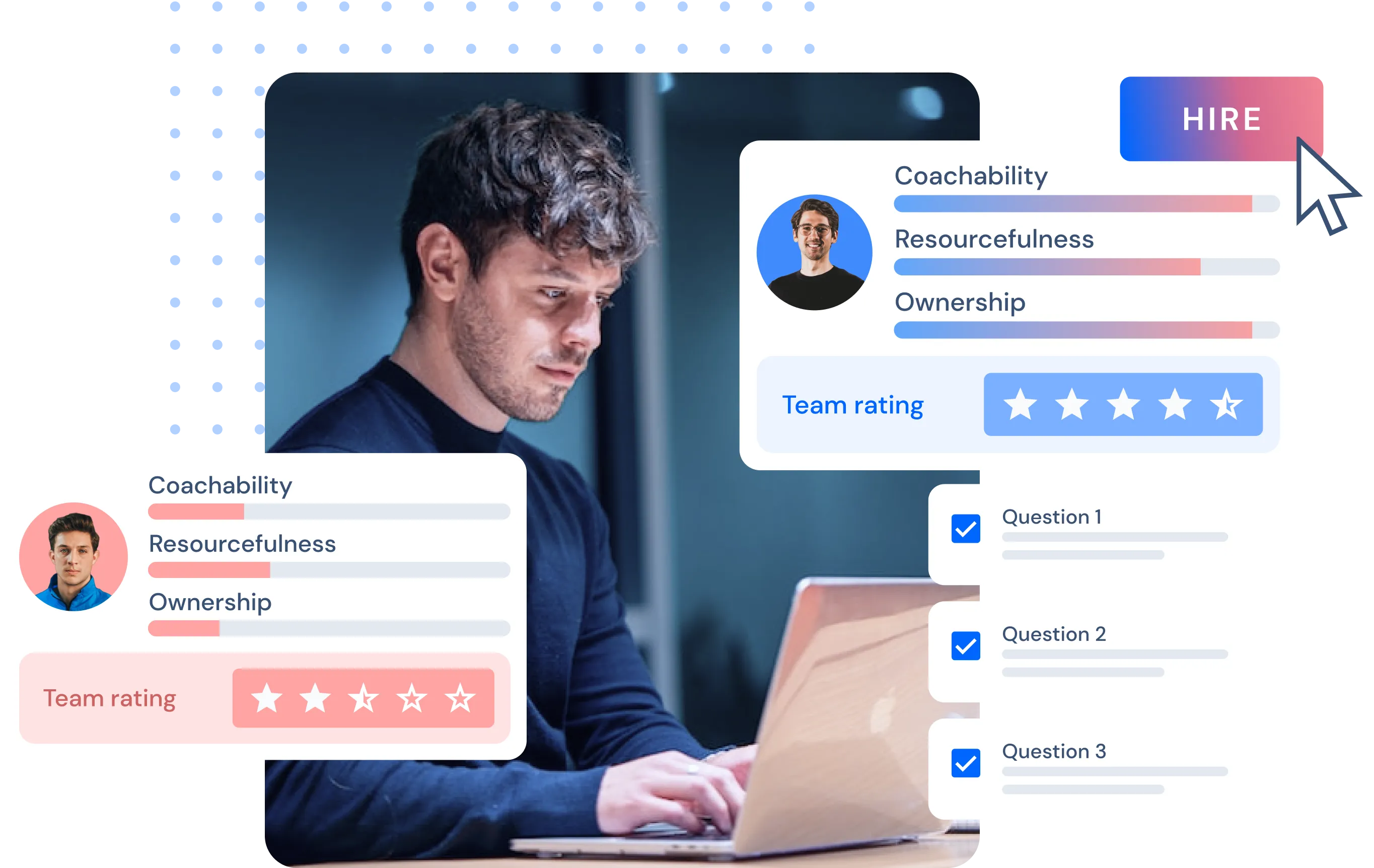
Make decisions from structured evidence, not scattered opinions

Connected interview evidence

Consistent scorecards

Clearer candidate signal

Decisions teams can explain
STEP 1
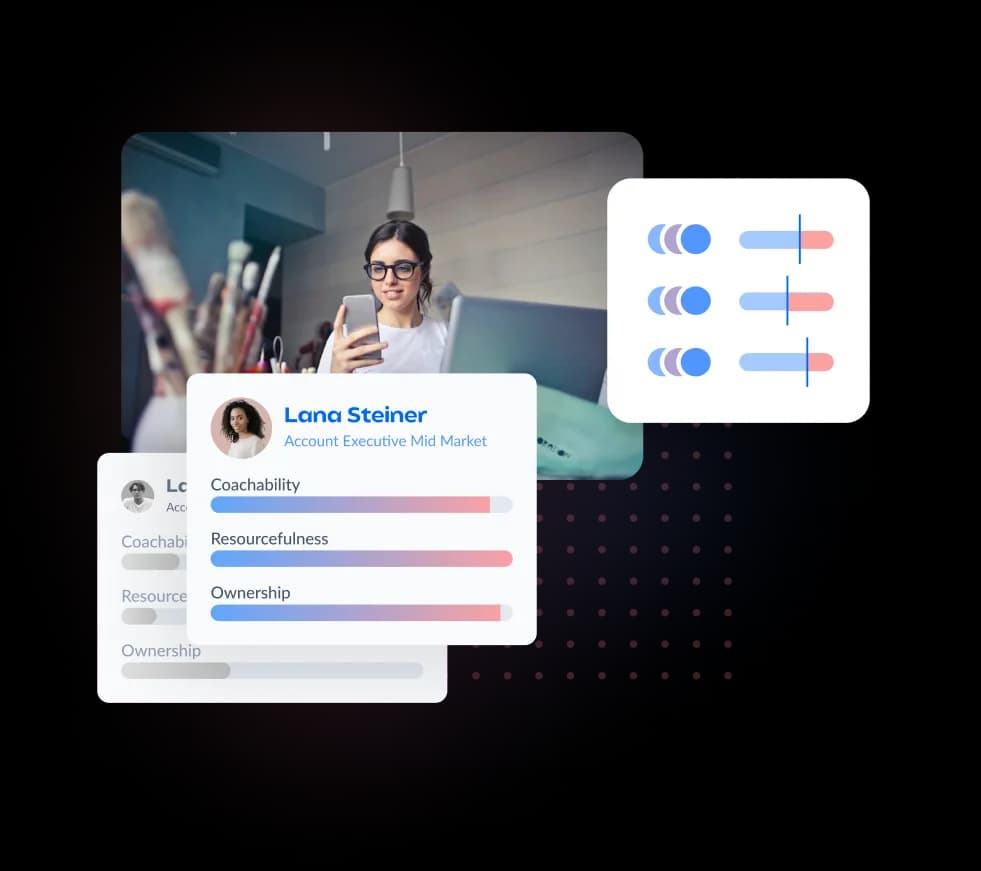
Build and nurture a talent pipeline
Before a role is open, build a pipeline of talent prospects, organize them into talent pools, and structure outreach sequences your team approves — so hiring starts from warm relationships, not a cold job post.
- Add talent prospects and organize them into talent pools.
- Build multi-step outreach sequences; a human approves the sequence before anything sends.
- Inbound applicants from your hosted job site land in the same pipeline.
STEP 2
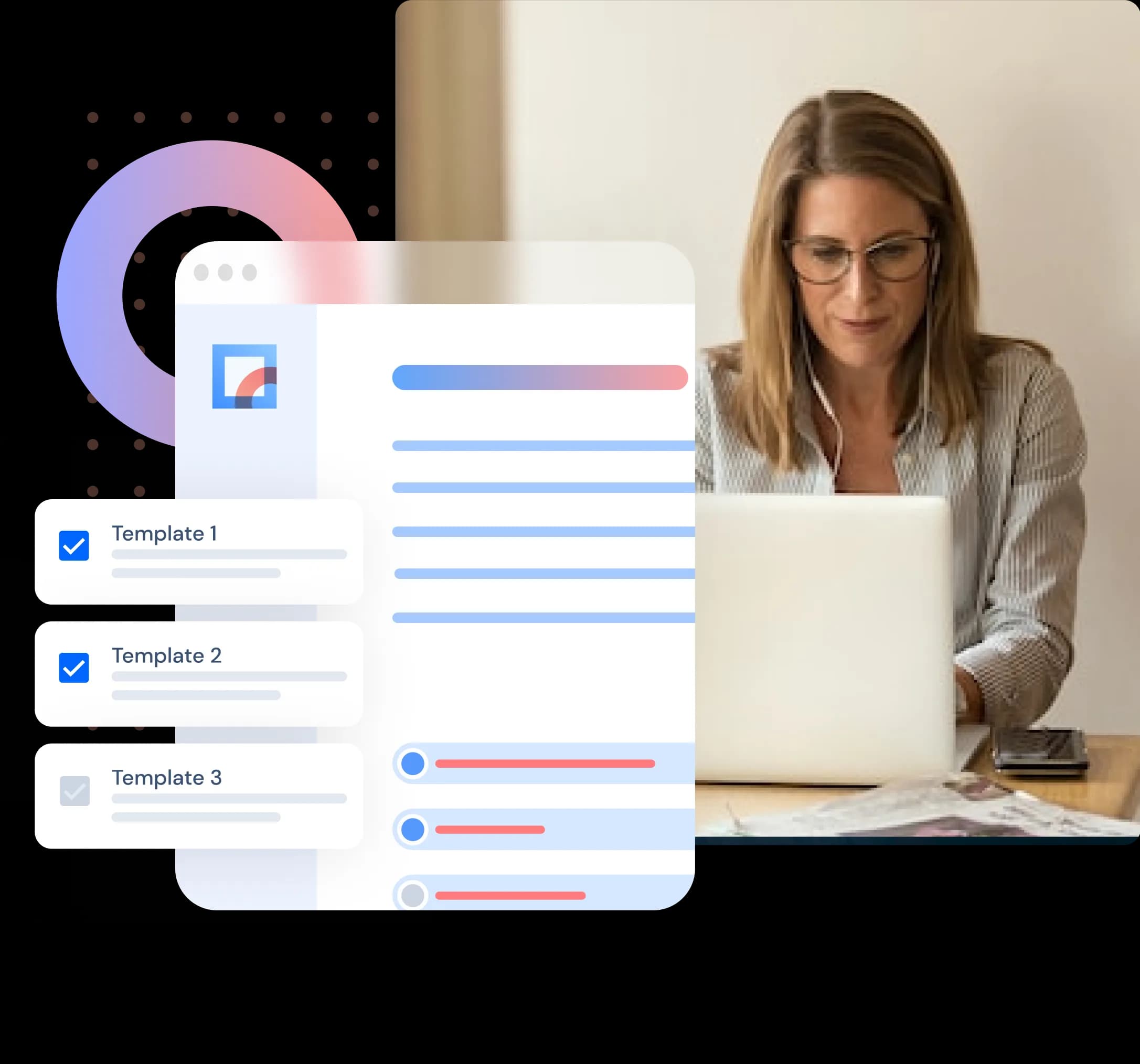
Open the role
Create the role, define what good looks like, and keep the hiring work tied to one Job record.
- Manage the role, candidates, interview plan, and decision evidence in one place.
- Invite hiring managers and interviewers without turning every collaborator into a paid seat.
- Let agents prepare operational changes for review while people keep approval control.
STEP 3
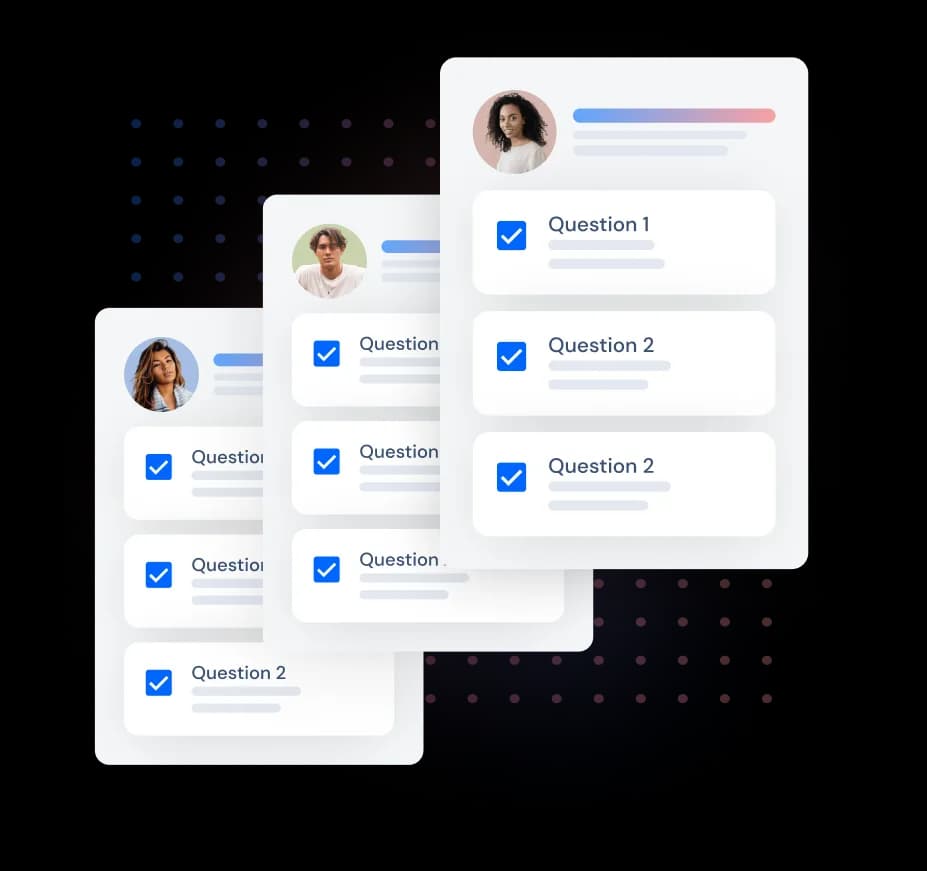
Build the interview plan
Use AI assistance to draft a structured plan, then refine the questions, rubrics, and scorecards before candidates enter the loop.
- Turn role requirements into interview stages, question guidance, and scorecard criteria.
- Keep follow-up prompts and evaluation rubrics connected to the same hiring standard.
- Make the plan clear enough for interviewers, hiring managers, and agents to inspect.
STEP 4
Manage candidates and scheduling
Move candidates through pipeline stages you configure per role, assign interviewers, and coordinate calendars as interviews are ready to book.
- Track candidate stages and see where work is waiting.
- Assign the right interviewer before generating scheduling links.
- Use calendar coordination where scheduling is part of the active hiring workflow.
STEP 5
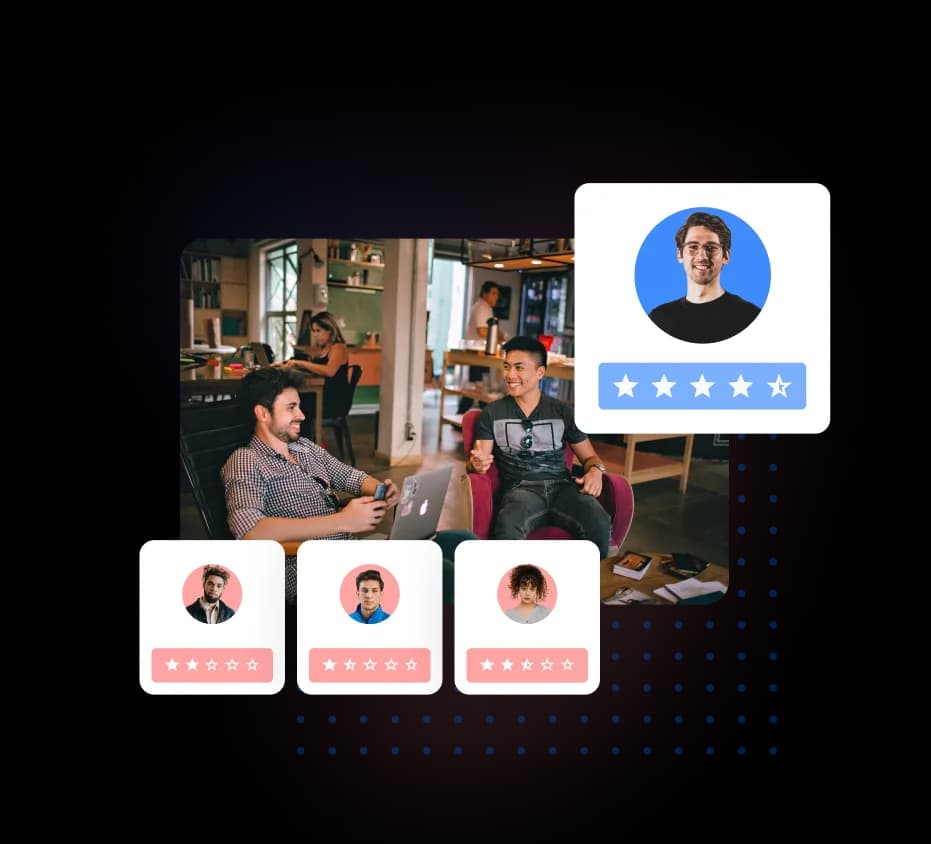
Collect scorecards and evidence
Interviewers evaluate candidates against the same criteria so the team can compare evidence instead of relying on memory.
- Capture structured scorecards after each interview.
- Keep notes, ratings, and decision context tied to the candidate and the role.
- See missing evidence before the team makes the final call.
STEP 6
Decide with human approval
Use the shared hiring record to make the decision, document the reasoning, and keep sensitive actions under human control.
- Compare candidates against the role criteria and scorecard evidence.
- Review prepared stage changes, interviewer assignments, and candidate actions before saving them.
- Keep closed and archived hiring history readable without treating it as active hiring.
Build a hiring process people can trust and agents can help operate.
Manage active hiring, run structured interviews, and keep operational work moving with human approval at the center.