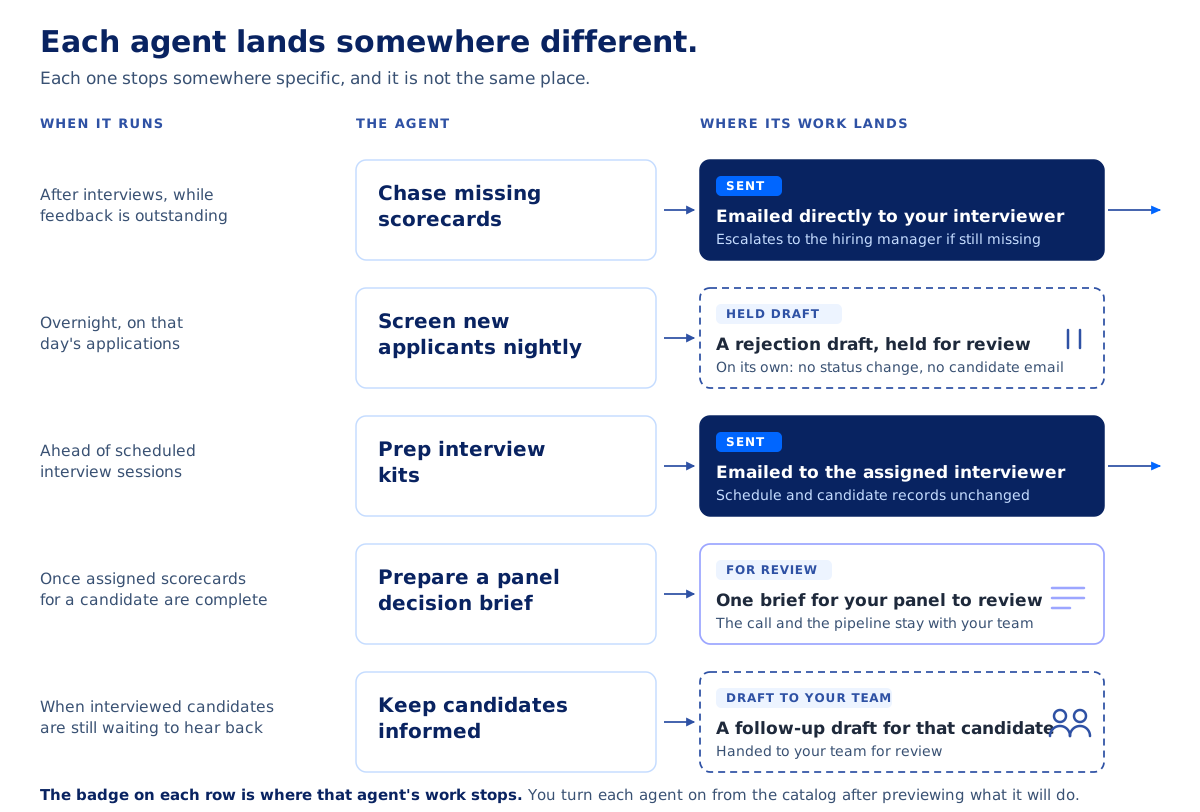
What each one does
Each agent starts from hiring context you already have in Yardstick — the role, the interview plan, the scorecards, the sessions, the evidence your team has collected. That is why what arrives is about your hiring and not a generic template.
After interviews, while feedback is still outstanding
Chase missing scorecards
A debrief on half the evidence is not a debrief. This agent finds the interviewers who haven't submitted their scorecards and sends them a reminder directly. If feedback is still missing at the final step, the reminder escalates to the hiring manager.
It emails only the interviewers who owe feedback, then the hiring manager. It never contacts candidates, edits anyone's feedback, or emails people who have opted out.
Overnight, on the applications that came in that day
Screen new applicants nightly
You wake up to yesterday's applications already screened. For applicants who don't match the role, this agent prepares a rejection draft and holds it for review.
Nothing has moved in your pipeline when you sit down: on its own, this agent changes no candidate status and sends no candidate email. You confirm the rejection you agree with, and the draft it already wrote is released into your normal review flow — still unsent, still yours to send. The review it runs is application review against your own criteria.
Ahead of scheduled interview sessions
Prep interview kits for next week's sessions
The half-hour before an interview is usually spent reassembling context someone already had. This agent emails the assigned interviewer their kit: the candidate and role context for that session, the questions to ask, the scorecard anchors to rate against, and the logistics. The kit opens from a magic link, so every interviewer on the panel gets their prep without a paid seat.
It reads your schedule and your candidate records to build that. It does not change either one, and it never emails a candidate.
Once the assigned scorecards for a candidate are complete
Prepare a panel decision brief
Four people interviewed, four scorecards are in, and now someone has to turn that into a decision. This agent synthesizes the completed evidence your panel already recorded into a single brief — one place to start the conversation instead of five tabs, alongside the candidate comparison your team already scores.
The brief is a starting point for review. It does not make the call, and it does not change where the candidate sits in your pipeline. Your panel decides, on the same evidence, in front of them.
When interviewed candidates are still waiting to hear back
Keep candidates informed
The silence after an interview is the part candidates remember. This agent finds the people who interviewed and haven't had an update, and prepares a follow-up draft for that specific candidate.
The draft goes to your team for review. Email Automation still handles everything after that — your templates, your sender, your review and send step, your audit trail.
.webp?dpl=dpl_ucuqGM1YbtMnWTcwiYZb2sLRpHwf)